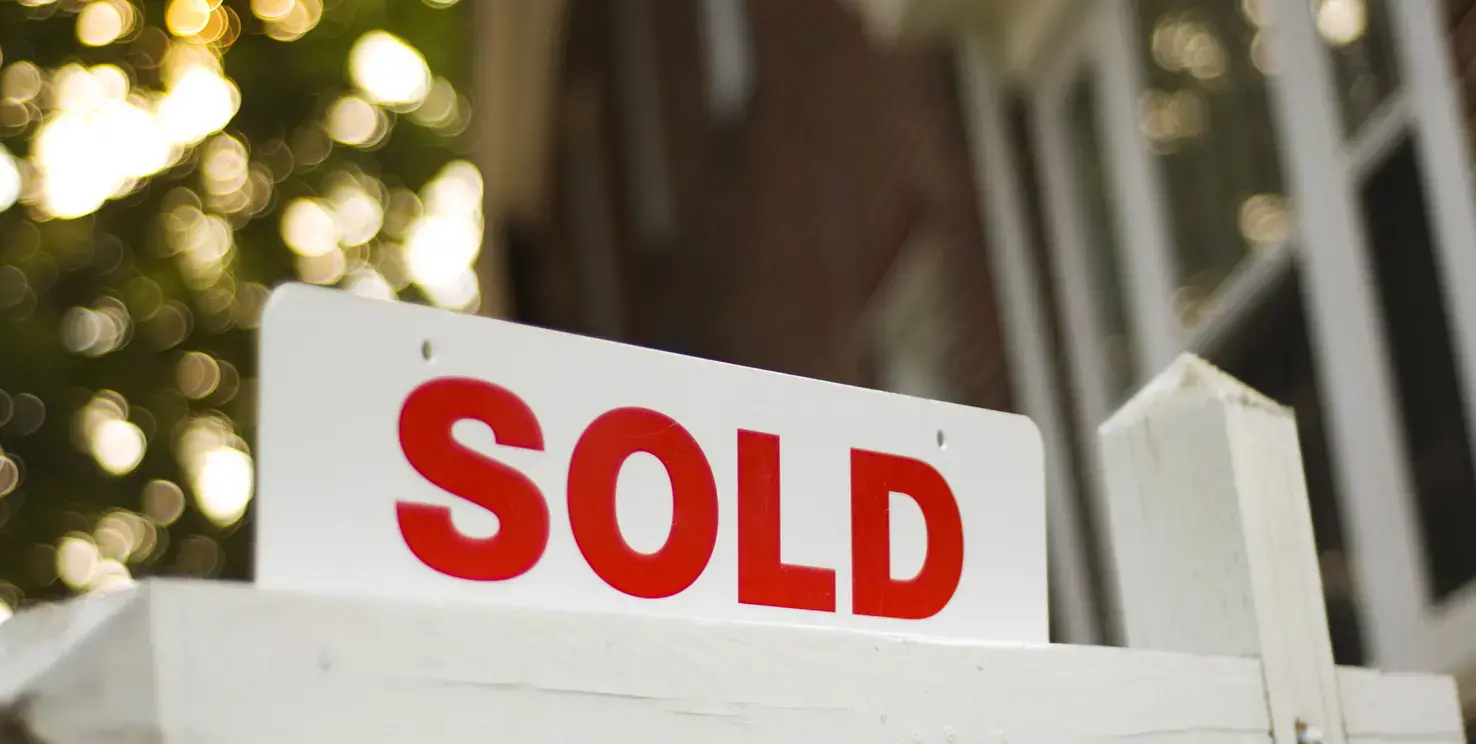

Most sellers want to sell fast and for the most money possible.
But that’s easier said than done.
Because the hard part of selling your home isn’t putting it up for sale.
It’s keeping leverage once buyers start reacting to your listing.
Most sellers focus on the visible stuff.
But the real advantage is built in the moves buyers don’t see.
I’ve seen what works and what doesn’t for 15+ years.
The sellers who win are strategic about protecting their leverage.
Here are 11 home selling tips to help you sell faster and for more money.
1. Negotiate a cancelable listing agreement
A listing agreement is the contract you sign with your real estate agent.
Most agreements are exclusive and run about six months. (The length is negotiable.)
That shifts incentives in the wrong direction.
How?
It essentially guarantees the agent a commission as long as the house sells.
Urgency can drop when that happens.
But it stays when your agent knows you can walk at any time.
That’s exactly what you want.
Because a motivated listing agent moves faster to sell your house for the best price.
And it keeps them accountable from day one.
So negotiate your exit terms before signing a contract with a listing agent.
Make sure you can cancel without owing a commission.
And get the cancellation language in writing.
Not every agent will agree to it, but a confident one will.
2. Protect your interests (no dual agency)
An agent can’t fully advocate for a seller if they’re representing both sides in a sale.
That happens more than most sellers realize.
It’s called dual agency.
And the dynamic changes fast.
The agent earns more by also representing the buyer.
But your best interests aren’t protected if your agent is trying to keep the buyer happy too.
And it can turn a sale into a “keep everyone comfortable” transaction instead of a seller-first one.
That’s how sellers walk away with less money.
So set the boundary early.
Tell your agent up front that you don’t want them to represent the buyer.
And let them know you’d like it in writing.
If they hesitate, walk.
The right agent will remove the chance to earn two commissions from one sale.
Pro tip: Some agents work on teams. If a buyer comes in through your agent, they may try to “hand them off” to someone on their team. The incentives still get blurry when the money stays in-house. So tell your agent you want buyer inquiries referred outside their team.
3. Price to win week one
Many markets across the country aren’t seller’s markets anymore.
But the first week your home is listed is still the most important, no matter what type of market you’re in.
Why?
Because your days on market are fresh.
That’s what grabs the attention of buyers and their agents.
And it’s when your home gets the most serious look before it gets lumped in with active comps.
That’s why choosing your list price is a high-stakes decision.
If your price is too high, you don’t just lose time.
You lose attention.
Buyers will put your listing on the back burner if it looks overpriced.
That’s how your house can sit and attract a low-ball offer with seller concessions.
And the last thing you want is buyers feeling like they have the upper hand.
So don’t price to “test” the market.
Price to be the best value in your price range, so buyers feel pressure to act.
4. Raise perceived value without remodeling
Perceived value isn’t the same as upgrades.
It’s buyer confidence.
When a home feels cared for, buyers stop looking for reasons to negotiate.
And that makes your asking price easier to defend.
This hits even harder in today’s market.
Many buyers are more rate-sensitive than they were a few years ago.
They’re pickier.
And they’re less willing to take on a project after closing.
But that doesn’t mean you need a renovation.
You need to remove doubt.
Deferred maintenance shrinks perceived value fast.
So do obvious unfinished items.
A bad first impression creates buyer objections before they even get to the good parts of the home.
The opposite is also true.
A house that feels ready to move in shows better in listing photos and in person.
And it tends to attract a stronger offer in less time.
That’s the strategy.
Raise perceived value by reducing uncertainty, not by starting a remodel.
5. Highlight your top selling points in the MLS
Buyers scroll fast when they’re looking at homes for sale online.
So your listing has to grab attention fast.
Three things drive that:
- Price
- Photos
- Listing description.
Each one has its own job.
Most buyers glance at the list price first.
If it fits their range, they immediately flip through the photos.
The job of the photos is to support the asking price.
Buyers are asking one question.
Does this home look worth it?
If the answer is yes, they read the listing description to confirm what they’re looking at.
They want details that justify the price.
And they want a reason to book a showing instead of swiping to the next home.
This is where some sellers miss.
Their property description is fluff.
“Charming.” “Must see.” “Won’t last.”
None of that answers the buyer’s real question.
Why should I see this home in person?
So highlight your top selling points.
Call out the upgrades that can’t be ignored.
Mention the layout that makes the home feel bigger than it is.
And include what buyers can’t fully see in photos, like storage, natural light, or a quiet backyard.
When your price, photos, and description tell the same story, you get more showings.
And that puts you in a better position to sell faster and for more money.
6. Make showings frictionless
Buyers are busy, and they have options.
And buyer’s agents are juggling schedules all day.
So every barrier to seeing your home increases the odds it sits on the market.
A lot of buyers will skip a home when:
- It’s hard to book an appointment
- Access is complicated
- Or the available windows are too narrow.
That costs you traffic.
And less traffic usually means less competition.
Limited access is also a perception thing.
When a home is difficult to see, buyers start wondering what they’re walking into.
Or what you’re trying to avoid.
So make your home easy to tour, and don’t restrict hours unless you have to.
Make access simple for buyer’s agents with a lockbox.
Most are electronic now, and they track who opens it and when.
And be willing to schedule open houses.
They give busy buyers a simple way to see your home without booking a private showing.
All it takes is one serious buyer.
You’re more likely to find them when your home is easy to see.
7. Look at an offer objectively
One of the hardest parts about selling your home is ignoring the number in your head when you receive an offer.
Maybe it’s what a neighbor sold for.
Or maybe it’s the mental “floor” you set months ago.
And your home is personal, so it’s easy to take a buyer’s first number as an opinion.
But it isn’t.
A lot of buyers won’t lead with their “best and final offer” because they want room to negotiate.
So they’re not telling you what they think your home is worth.
They’re testing how you’ll respond.
Some sellers take this personally.
And they lose a serious buyer by ignoring the offer or pushing too hard.
Adjust your frame of mind instead.
Treat it like a business strategy and remove the bias.
Then choose your next move:
- Accept
- Counteroffer
- Or walk.
Looking at an offer objectively helps you avoid losing a buyer you can’t get back.
8. Tighten the buyer’s inspection contingency timeline
Contingency clauses are a key part of the purchase agreement.
Why?
Because they give the buyer an out.
And an out can slow your sale down or send your home back on the market.
All contingencies deserve attention.
But the inspection contingency is the one to watch the closest when selling your home.
Unlike an appraisal or loan contingency, the inspection clause isn’t tied to the lender’s process.
It’s tied to the buyer’s comfort level.
And it’s usually broad enough that the buyer can walk for almost any reason they claim they found while “investigating” the property.
So the inspection timeline is a big deal.
Some buyers write a time period from 14 to 21 days in their offer.
In many cases, that’s longer than needed.
It gives them time to second-guess the deal.
And the contingency allows them to walk away and get their earnest money deposit back.
So don’t just accept the number.
Ask your agent why the buyer needs that long.
If there’s no clear reason, counter to shorten the deadline.
Seven to 10 days is usually enough time.
A tighter contingency window reduces the chance of a late cancellation that puts your home back up for sale.
9. Verify the buyer’s financing
One of the easiest ways to lose time selling your home is assuming every “pre-approved” buyer is the same.
They’re not.
So verify the buyer’s financing.
Make sure these two things come with the offer:
- Pre-approval letter
- Proof of funds.
The pre-approval letter should match the offer terms and include the loan officer’s contact info.
And the funds should cover the down payment and closing costs, plus a cushion for surprises.
Then do something most sellers skip.
Have your agent call the buyer’s loan officer.
The goal is to confirm that the mortgage pre-approval is real and the closing date is realistic.
Here’s what to confirm:
- The buyer has been reviewed for income, assets, and credit.
- This is a true pre-approval, not a quick pre-qualification.
- The lender can hit the closing date in the purchase agreement.
If you want one extra layer of confidence, ask about the buyer’s debt-to-income ratio.
You’re just trying to learn if they’re tight or comfortable.
Buyers near the lender’s qualifying limit are more likely to run into trouble when rates shift or the lender adds conditions.
A well-qualified buyer doesn’t just help the sale close on time.
They can keep you from relisting your home and inviting other buyers to discount the price by asking what went wrong.
10. Control inspection renegotiation
Some sellers give money back to the buyer that they shouldn’t.
It usually happens right after the buyer’s home inspection.
That’s when the renegotiation starts.
Not because something is wrong with the home.
But because the buyer uses the long inspection report to their advantage.
Most reports include pages of small items, normal wear, and “recommended” updates.
That’s expected.
The key is whether the report uncovers a real defect that changes the value or safety of the home.
So go in with a strategy before the report shows up.
A pre-sale inspection can help with that.
Be open to addressing major issues.
But don’t renegotiate over minor items that were visible when the buyer saw the home.
Then make the buyer get specific.
Don’t accept a vague request like “we want a credit.”
Have them itemize what they want and why.
If they claim something is major, ask for a quote from a licensed pro so you’re not negotiating off fear.
Keep your response simple and controlled:
- Fix it.
- Credit it.
- Or say no.
The mistake is giving a bunch of small concessions just to keep the buyer from walking.
Those stack fast, and they train the buyer to keep pushing.
An inspection is information.
It’s not permission to reopen the whole sale.
Handle real defects, but hold firm on the rest.
That’s how you get to the closing table without shrinking your net proceeds.
11. Prevent surprises in the final walk-through
The buyer usually does a final walk-through a few days before closing.
This is when “almost closed” can turn into “we’re not closing on time.”
It’s also when the buyer has leverage.
The seller is usually moved out, stressed, and ready to be done.
So treat this like a risk check.
Your job is to deliver the home in the same condition it was when the buyer made the offer, with any agreed-upon repairs completed.
And it needs to match the purchase agreement.
That means anything included in the sale stays: fixtures, appliances, remotes, keys, and garage door openers.
These are the issues that trigger last-minute problems:
- Not clean (or sometimes broom clean)
- Trash or leftover paint cans in the garage
- Utilities turned off, so the buyer can’t test lights, plumbing, or HVAC
- Repairs agreed to but not finished, or not done properly
- Move-out damage like dents, scuffs, or broken blinds.
Do a walk-through with your agent before the buyer does theirs.
Turn everything on and test it.
Make sure what’s supposed to stay is still there.
Then do one last pass for cleanliness, inside and out.
Even curb appeal can work against you if the front yard is full of boxes and the bins are overflowing.
The goal is to give the buyer nothing to grab onto.
Because if the walk-through goes sideways, the buyer can ask for a credit or delay closing.
And you’ll feel pressured to concede just to get it closed.
The bottom line
Most sellers don’t lose money or take longer to sell because they missed a perfect upgrade.
That happens because they gave up control in a few key moments.
Get those moments right and selling your house becomes a whole lot easier.
You stop bleeding money through “small” credits and concessions.
You avoid the setbacks that turn a clean sale into a stressful one.
And you close with more money in less time.
If you want help doing it the right way, you need the right listing agent.
Learn more about how SoldNest vets agents who put your interests first.