
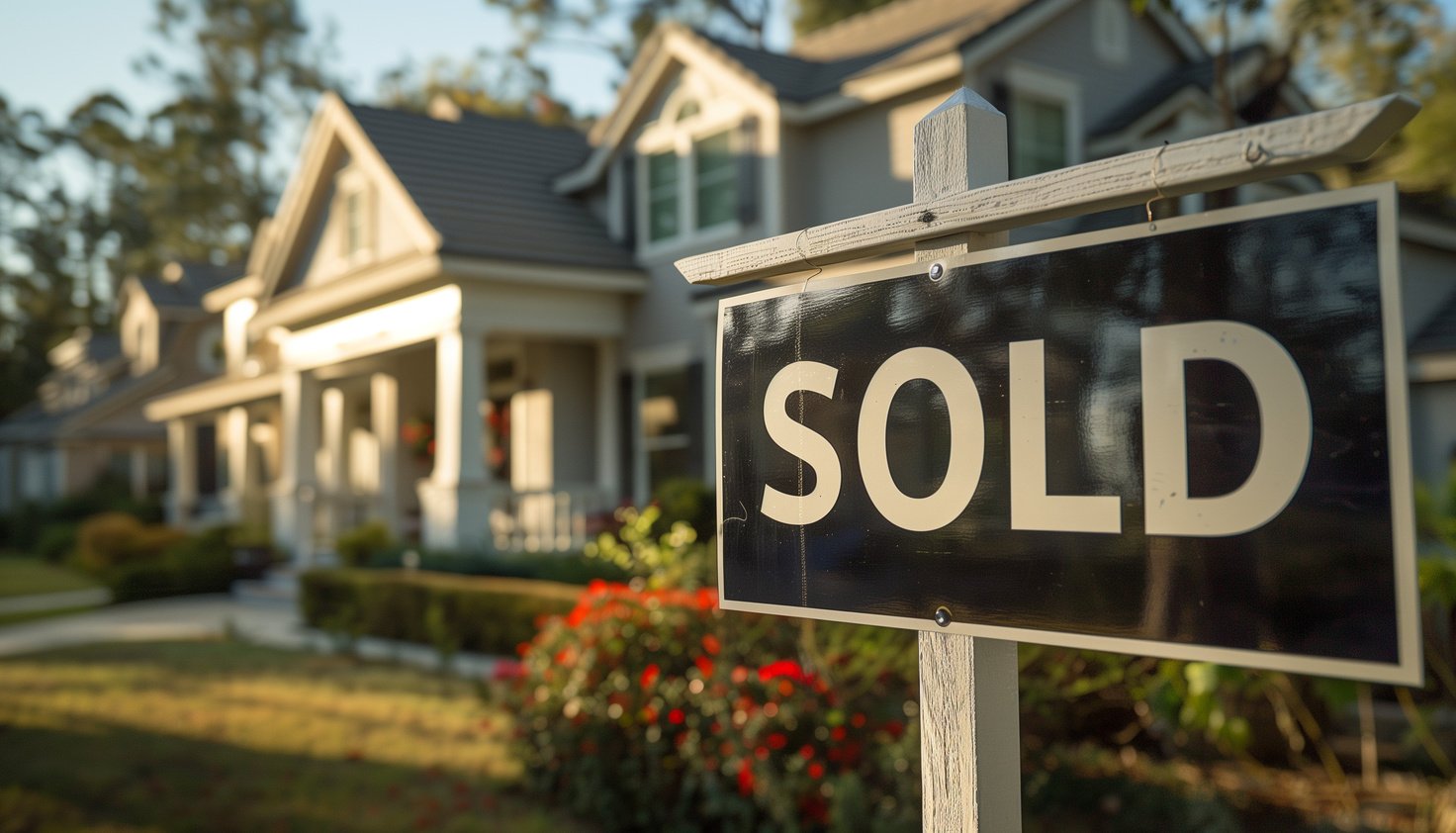
Selling a rental property isn’t the same as selling a primary residence.
If the home is tenant-occupied, existing leases and showing rules can shrink your buyer pool and slow the sale.
And taxes?
Capital gains and depreciation recapture can take a real bite out of your net proceeds if you don’t plan ahead.
Not educating yourself before you list your investment property can be the reason you leave tens of thousands on the table.
Here’s everything you need to know about selling a rental property.
Is the property leased or vacant?
The occupancy status of a property can significantly affect its sale price and how quickly it sells.
Here’s what changes depending on whether your rental leased or vacant.
Selling a leased rental
If your rental property has a long-term lease (usually four months or more remaining), start by reviewing the lease agreement and checking your state’s landlord-tenant laws.
Why?
Because some tenants may have the first right of refusal.
This means you’re legally required to give them the chance to buy the property before listing it.
Even if this isn’t required, you can still let your tenant make an offer.
But this significantly limits your profit potential since your buyer is a single tenant (or maybe a few if you’re selling a multi-family property).
It’s best to expand your buyer pool to include those who want to buy a home as their primary residence.
The best way to do this is to sell the property without a lease.
If you have long-term tenants, you can negotiate an early lease termination by offering a buyout or relocation assistance.
For month-to-month leases or leases expiring soon, the process is much simpler.
You can wait for the lease to end, which opens the property to a broader audience.
No matter the scenario, it’s important to follow local laws and rules from the Department of Housing and Urban Development (HUD).
Most states require 30-60 days’ notice to tenants before listing.
You’ll also need to notify tenants 24-48 hours before showings and open houses while they’re still living in the property.
Selling a vacant rental
Selling a rental property without tenants radically simplifies the process.
You don’t have to offer the property to a tenant or follow state-imposed timelines.
Showings happen on your schedule, without needing to coordinate around tenant availability or provide advance notice.
Your buyer pool will also be much larger without a lease agreement in place.
Plus, a vacant rental give you a clean slate to turn an empty property into a home buyers want.
Staging can increase demand, which can help you sell faster and for a higher price.
And it’s why staging is one of the most overlooked advantages of selling an unoccupied property.
The bottom line?
Selling a rental without a lease is easier, faster, and gives you more opportunities to maximize your profits.
How to get a rental property ready to list
What you do before you list is what determines how fast your rental sells and how much you net.
Nail the pre-listing plan and you’ll attract better buyers and maximize your return.
Here are the steps to take before you list.
1. Organize and declutter the property
Creating a clean space should be your first priority.
Why?
Because a clutter-free rental shows better, photographs better, and sells faster.
Make the interior feel open and neutral so buyers can picture living there (or renting it out).
Start by:
- Clearing and organizing counters and surfaces
- Removing excess furniture and decor so rooms feel bigger
- Deep-cleaning critical spots like kitchens, bathrooms, windows, and floors.
This process is much easier if the property is vacant.
If tenants are still living there, you need cooperation:
- Set expectations early for showings (clean common areas, lights on, blinds open)
- Provide storage bins so personal items can be packed away quickly
- Give proper notice for showings so the place isn’t a surprise mess.
2. Find the right real estate agent
The right listing agent can help maximize profits when selling an investment property.
The wrong one?
They’ll leave you feeling short-changed at the closing table.
You need an agent who knows how to sell a rental, handle tenants, and still create buyer competition.
Here’s what to look for in a listing agent:
Rental sale experience: They should have a track record selling tenant-occupied and vacant rentals, and they should know how to manage showings, notices, and tenant communication without drama.
Pricing expertise: Look for an agent who sells in the same neighborhood and price range, and who can back up the list price with the right comps and a strong CMA.
Proof from other sellers: Reviews matter, but prioritize feedback from landlords and investors who sold rentals, not just owner-occupants.
Low dual agency rate: Avoid agents who frequently represent both sides in the same deal. These are the agents who tend to prioritize earning two commissions from one transaction.
Cancellation clause: Your listing agreement should include a clear cancellation option (an out clause) so you’re not stuck if performance slips.
3. Decide between selling as-is or making upgrades
Deciding whether to make improvements or sell without making repairs is one of the biggest profit levers when you sell a rental.
Selling as-is can speed up the sale and limit out-of-pocket costs.
But if the property shows wear, skipping the right upgrades can also shrink your final price (and your net).
The decision comes down to one question: will this fix return more than it costs, after time and hassle?
Start with a pre-listing inspection to surface deal-killers and negotiation points.
Then work with your agent to determine what will maximize your ROI.
Price out the highest-impact improvements, estimate the value bump, and pick the ones that actually move your bottom line.
4. Prepare your seller disclosures and tenant paperwork
Seller disclosures are a non-negotiable step in the process of selling a house.
Most states require you to disclose any known issues or potential liabilities with the property.
And in many areas, you’ll also need to disclose that the home was used as a rental.
But this isn’t just paperwork.
They build trust with your potential buyers and reduce the odds of renegotiations.
Plus, they lower the risk of legal problems after closing.
Specific requirements vary by state, but they typically include:
- Past repairs
- Known damages and outstanding maintenance issues
- Lease agreement, including lease terms and the security deposit
- Rental income and payment history.
Work with your agent to confirm the right forms for your state and make sure everything is complete before your listing is live.
5. Price the property strategically
The list price of your property doesn’t just influence its sale price.
It also determines how quickly it moves off the market.
Pricing too high can easily scare away buyers and extend your time on the market.
Asking for too little might speed up the sale but leave you with less money in your pocket.
So how do you find the sweet spot?
Rely on your agent to determine the ideal price range.
Then run the price range through these filters:
- Price around your net goal, not your wish price. Back into the list price from your target proceeds after commissions, closing costs, and expected taxes.
- If it’s tenant-occupied, price it like an income property. Lead with the lease terms, rent roll, and expense picture (investors will underwrite the deal).
- Show upside, but don’t overprice it. If there’s room to raise rents, document the comps and timeline so it reads as “real,” not hype.
- If it’s a short-term rental, sell the proof. Highlight permit status, actual revenue, and occupancy trends (not just “Airbnb potential”).
Selling a rental property and taxes
Taxes can be a key driver in how much profit you keep.
Here are the tax basics you should know when selling a rental.
Will I owe taxes when selling my rental property?
Yes, you’ll likely owe taxes if you sell for more than your adjusted basis (what you paid, plus improvements, minus depreciation).
- Short-term gains: Less than 1 year, taxed at your ordinary income rate.
- Long-term gains: 1 year or more, taxed at long-term capital gains rates.
State taxes can also apply, depending on where your property is located.
How capital gains and depreciation affect your net proceeds
When you sell for a profit, your gain is typically split into two buckets:
Capital gains on the profit above your adjusted basis.
Depreciation recapture on depreciation you claimed (or could have claimed), which can be taxed up to 25%.
That’s why two rentals can sell for the same price but produce very different after-tax proceeds.
How to reduce or defer taxes when selling a rental
You usually can’t erase taxes, but you can often reduce or delay them:
Hold for long-term gains (at least 1 year).
Use a 1031 exchange if you’re reinvesting in another investment property (identify within 45 days, close within 180 days).
Convert it to a primary residence (sometimes) if you meet the ownership and use tests, but depreciation still applies.
Offset gains with losses (tax-loss harvesting rules apply).
Plan timing around your income (rates depend on income).
Consider an installment sale (spreads capital gains, but depreciation recapture is usually triggered at sale).
What to track before you list
To estimate your true net proceeds, gather:
Purchase details and closing statement
Improvement receipts
Depreciation history.
A CPA can use that to estimate your adjusted basis, depreciation impact, and state taxes so you can price the property around your after-tax number.
Next steps
Selling a rental has more moving parts than most owners expect.
More prep work, taxes, and potential tenants.
There’s a lot to manage on your own.
The right listing agent can make it easier and more profitable.
Need help finding one?
We can match you with a top local agent who has experience selling rental properties.
Learn more about how our no-cost agent matching works.